
Waste Compactor Rental & Lease Hire
Bins and skips fill up quickly when you’re dealing with general waste, food waste or non-recyclable packaging. Once that starts happening, collections increase, costs rise and waste areas become harder to manage. Hiring a waste compactor is a straightforward way to deal with that. Waste is compacted as it’s produced, so fewer collections are needed and space is used more efficiently. We hire out a wide range of waste compactors, including new and refurbished machines. Some customers hire equipment for shorter periods, while others run machines on longer-term lease agreements. In practice, most compactors are supplied on a 3 or 5 year lease, as this keeps monthly costs lower and makes the equipment more cost-effective to run. With over 20 years supplying compaction equipment, we focus on matching the hire setup to what actually happens on site, rather than forcing a standard solution. This page outlines the waste compactors available to hire, explains how compactor hire typically works, compares hiring with buying, answers common hire-related questions and provides information on waste compactor hire across the UK.
Who Waste Compactor Hire Is For
Waste compactor hire is typically used by businesses that produce ongoing general or residual waste and need to control volume without tying up capital.
We regularly support:
- Facilities managers and site managers
- Operations and production teams
- Warehousing, logistics and distribution sites
- Manufacturing, food production and industrial environments
- Retail and hospitality back-of-house operations
Most hire enquiries are driven by rising disposal costs, overflowing bins, hygiene concerns or limited space for waste storage.
Waste Compactor Types Explained
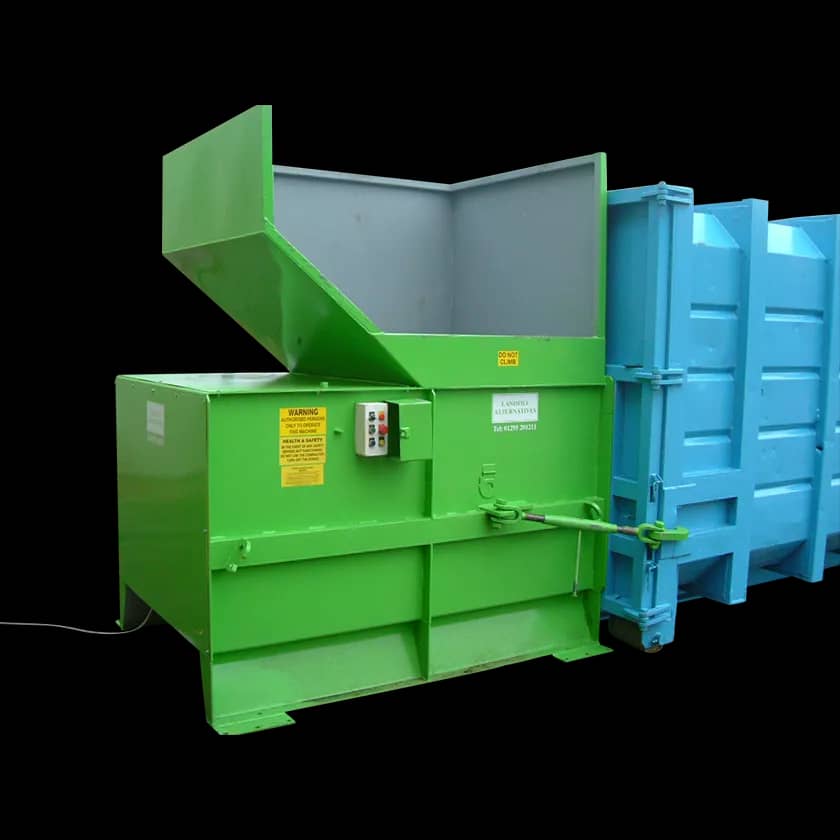
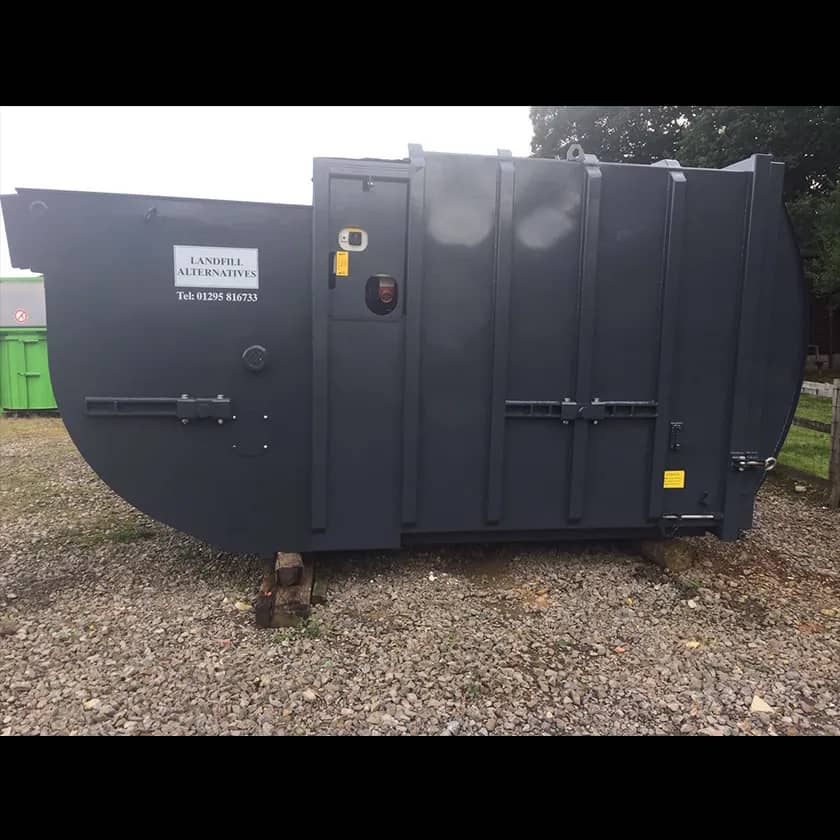
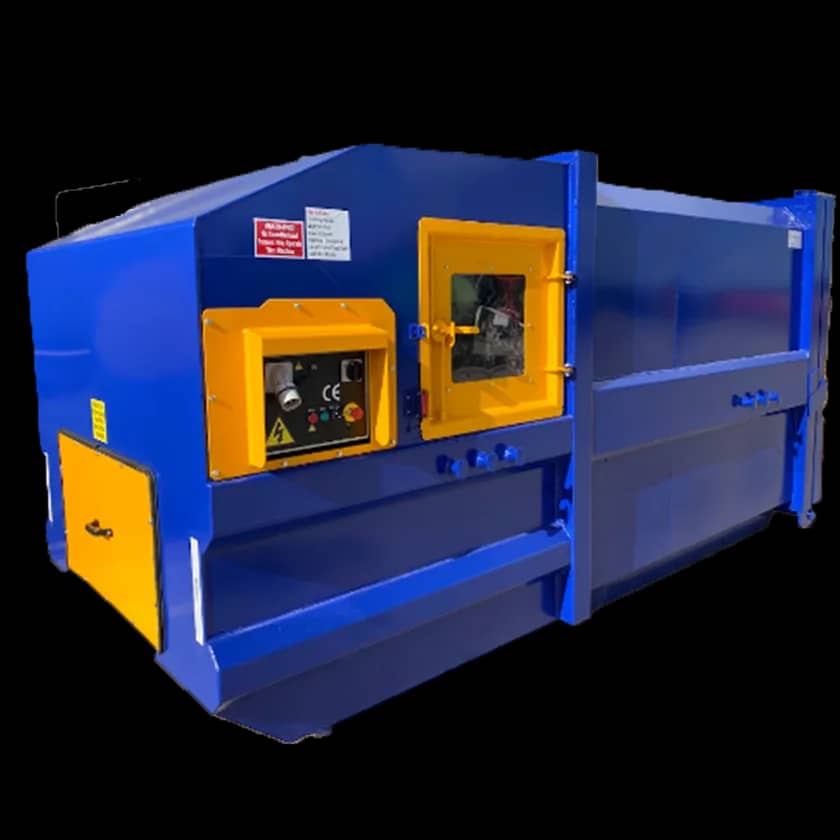
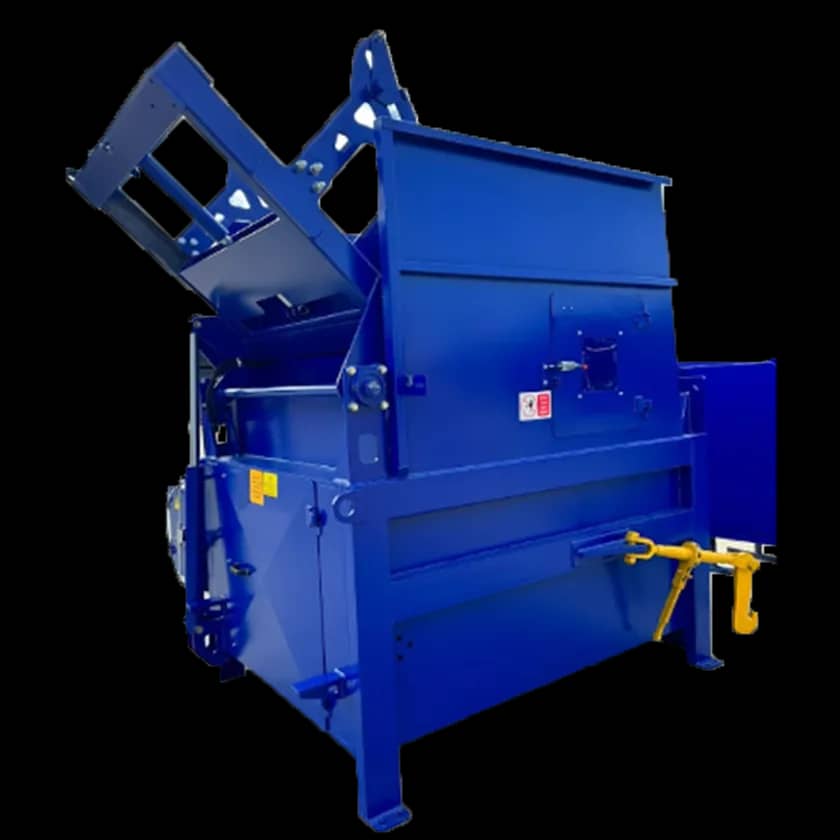
Waste compactors fall into several categories depending on how waste is compacted and removed:
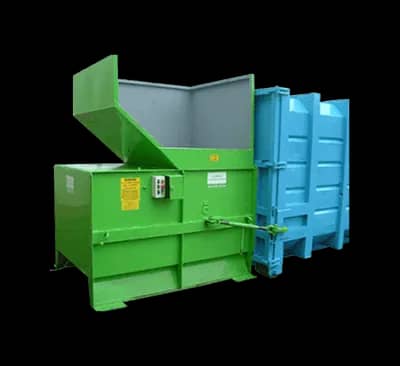
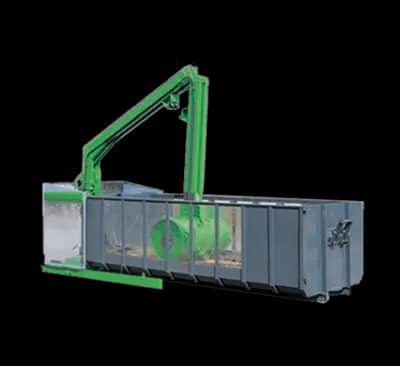
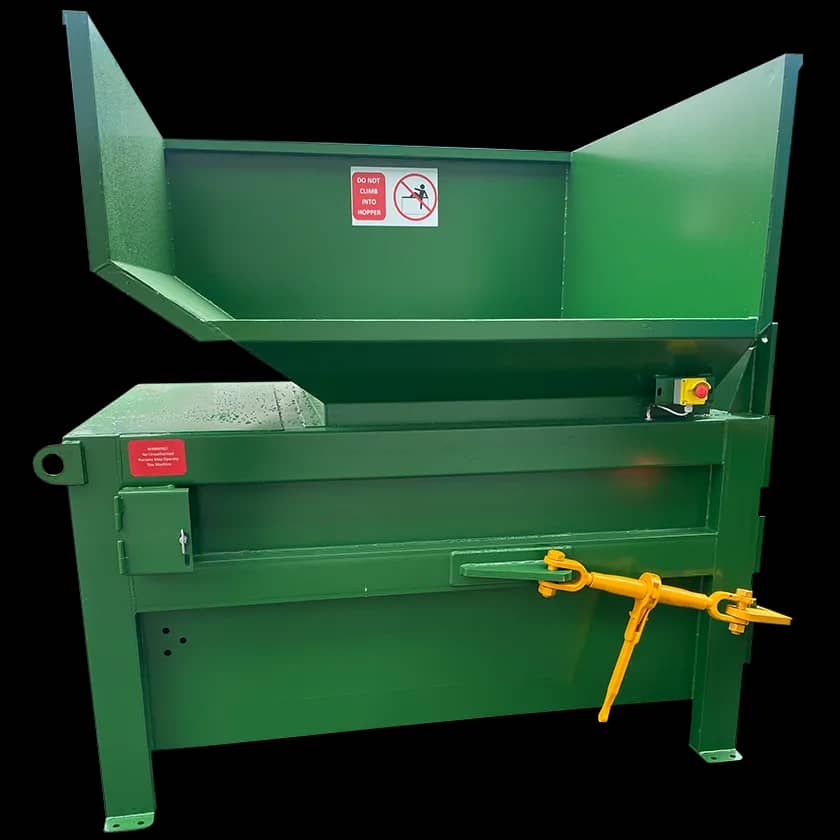
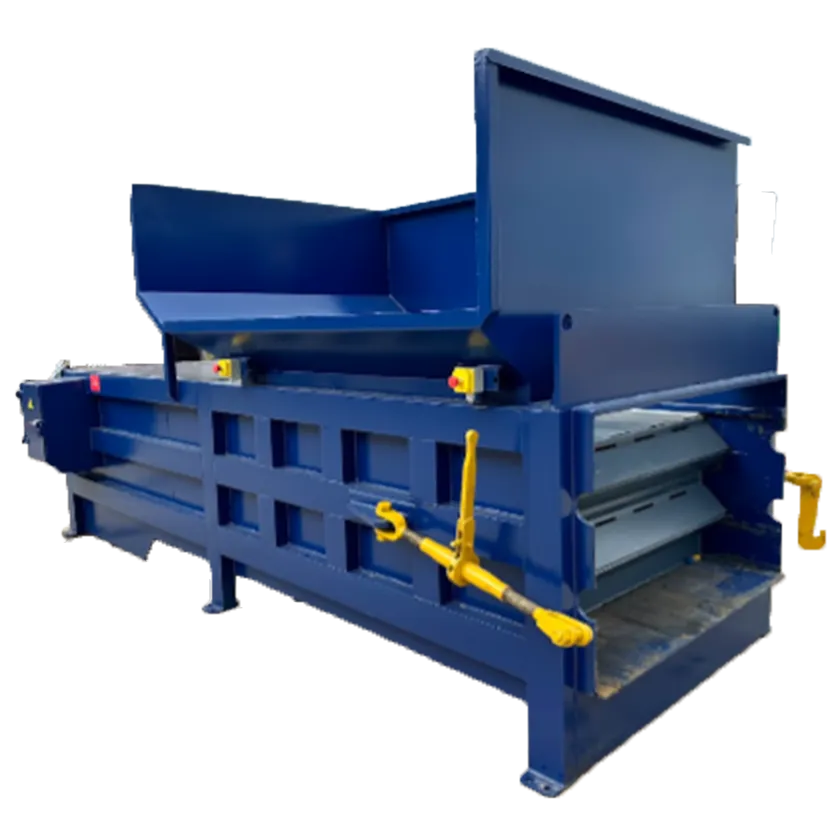
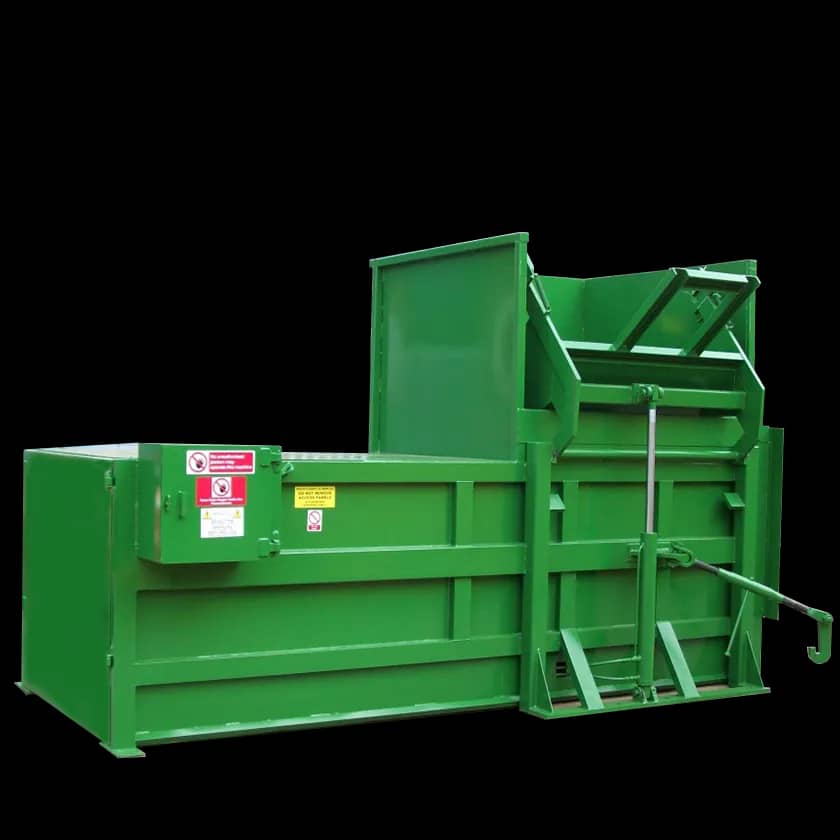
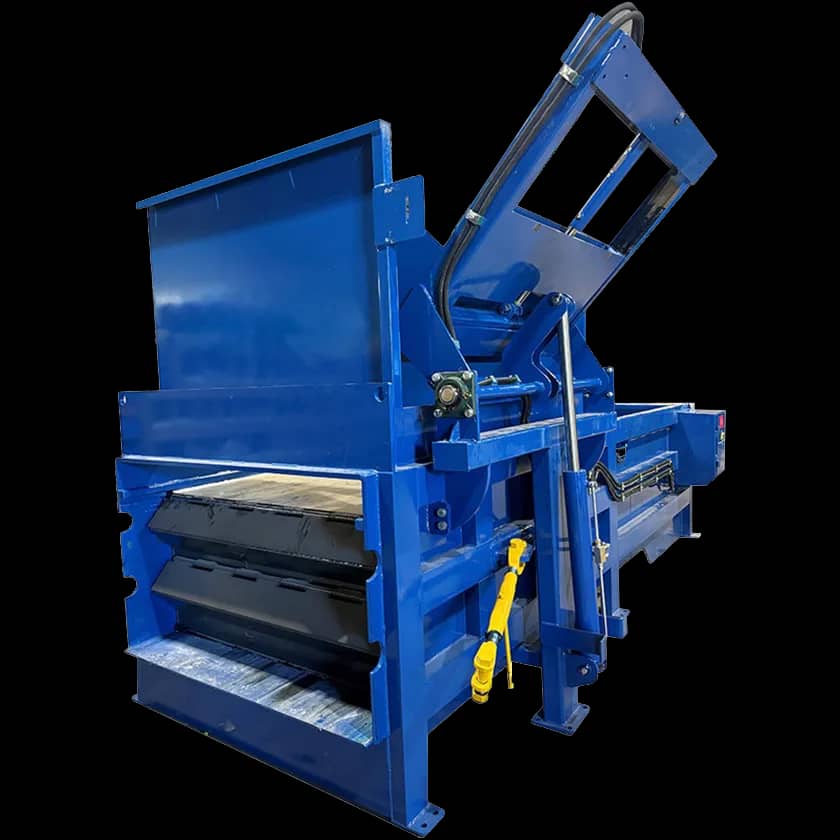
- Static compactors remain fixed in place and compact waste into a separate RoRo container
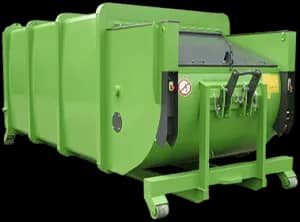
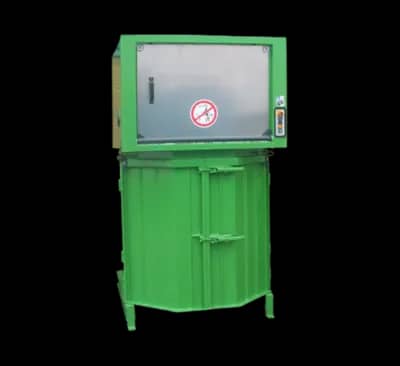
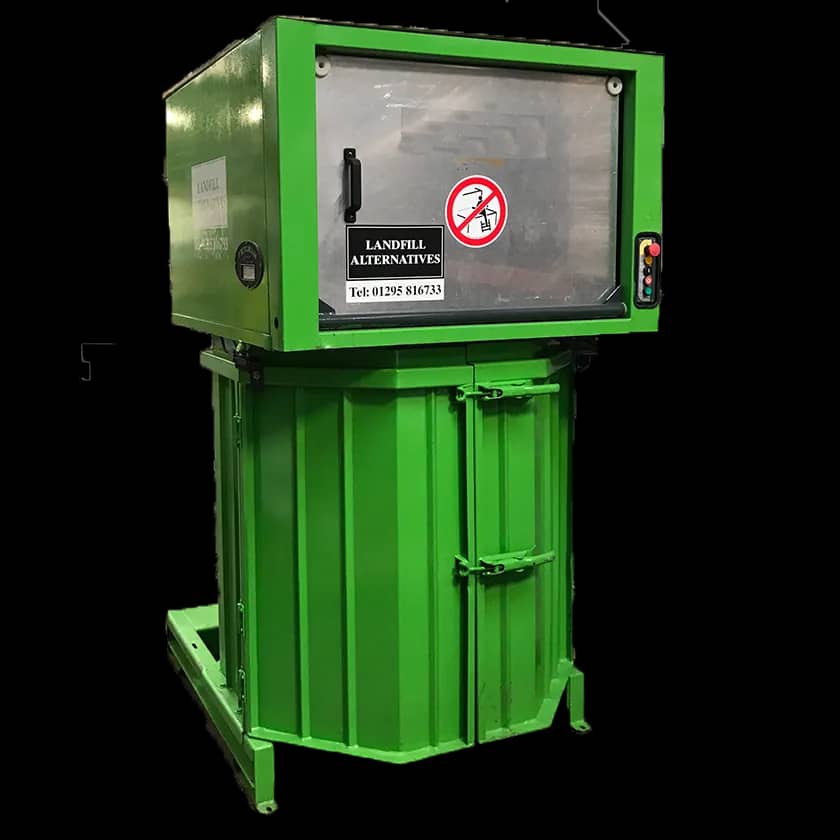
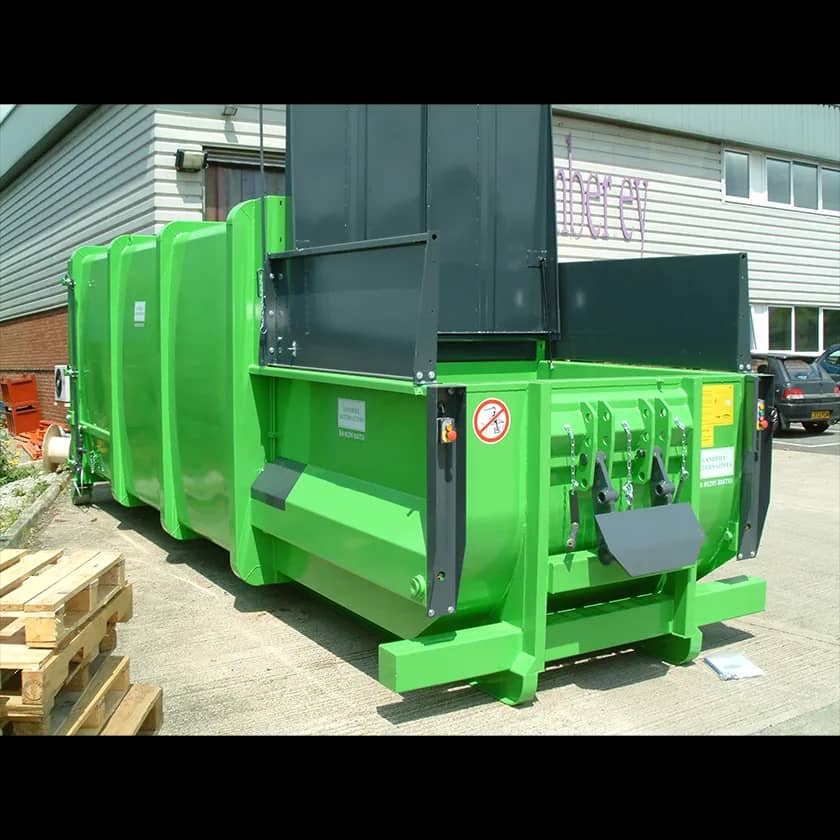
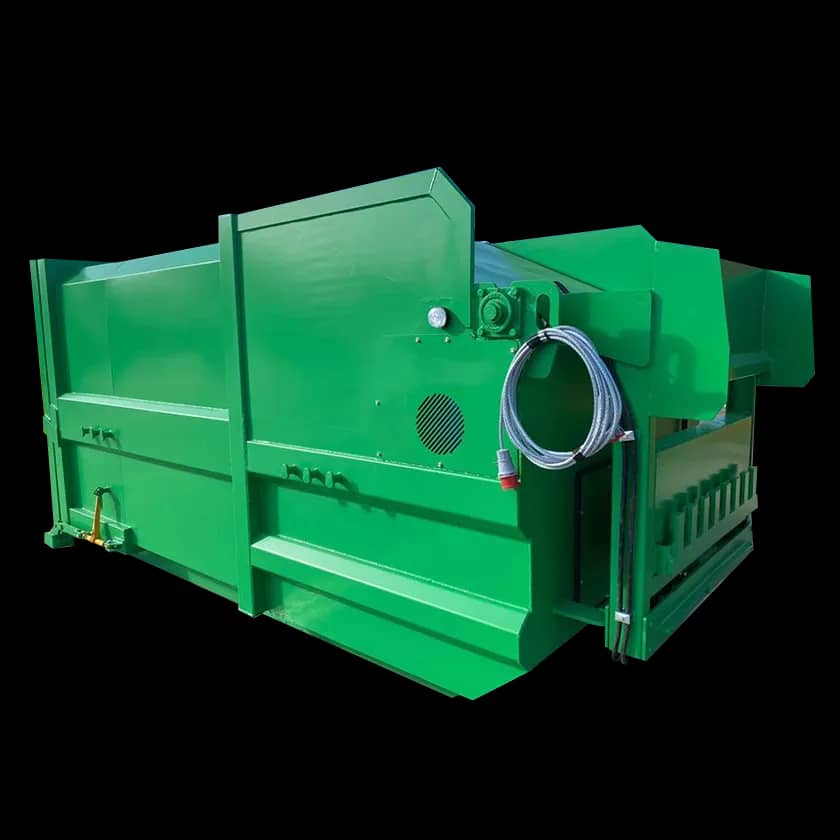
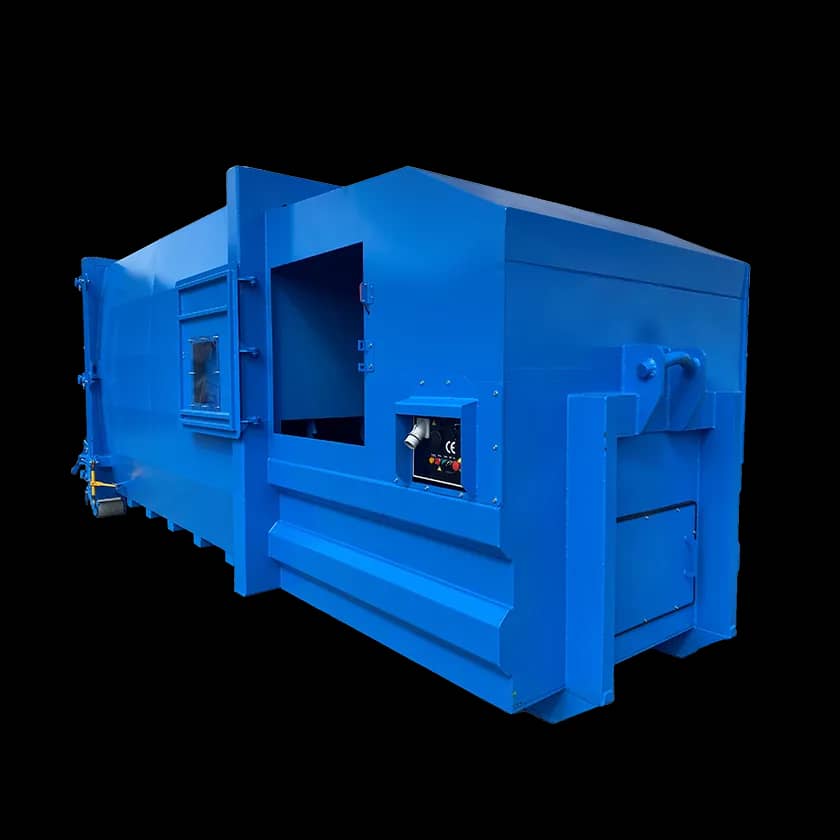
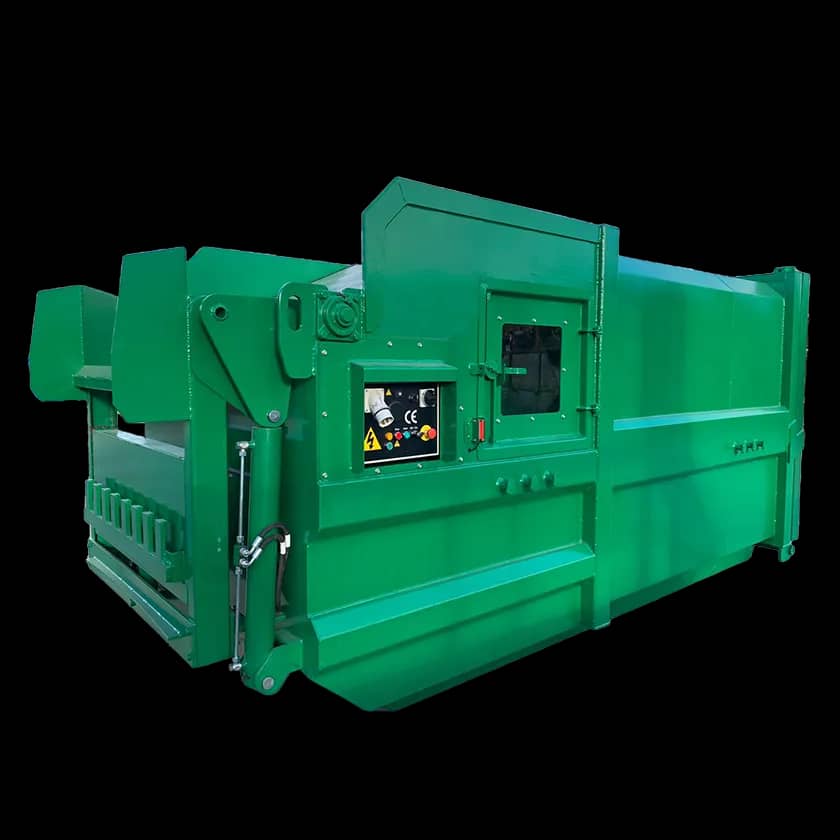
- Portable compactors are sealed units that are taken away and emptied when full
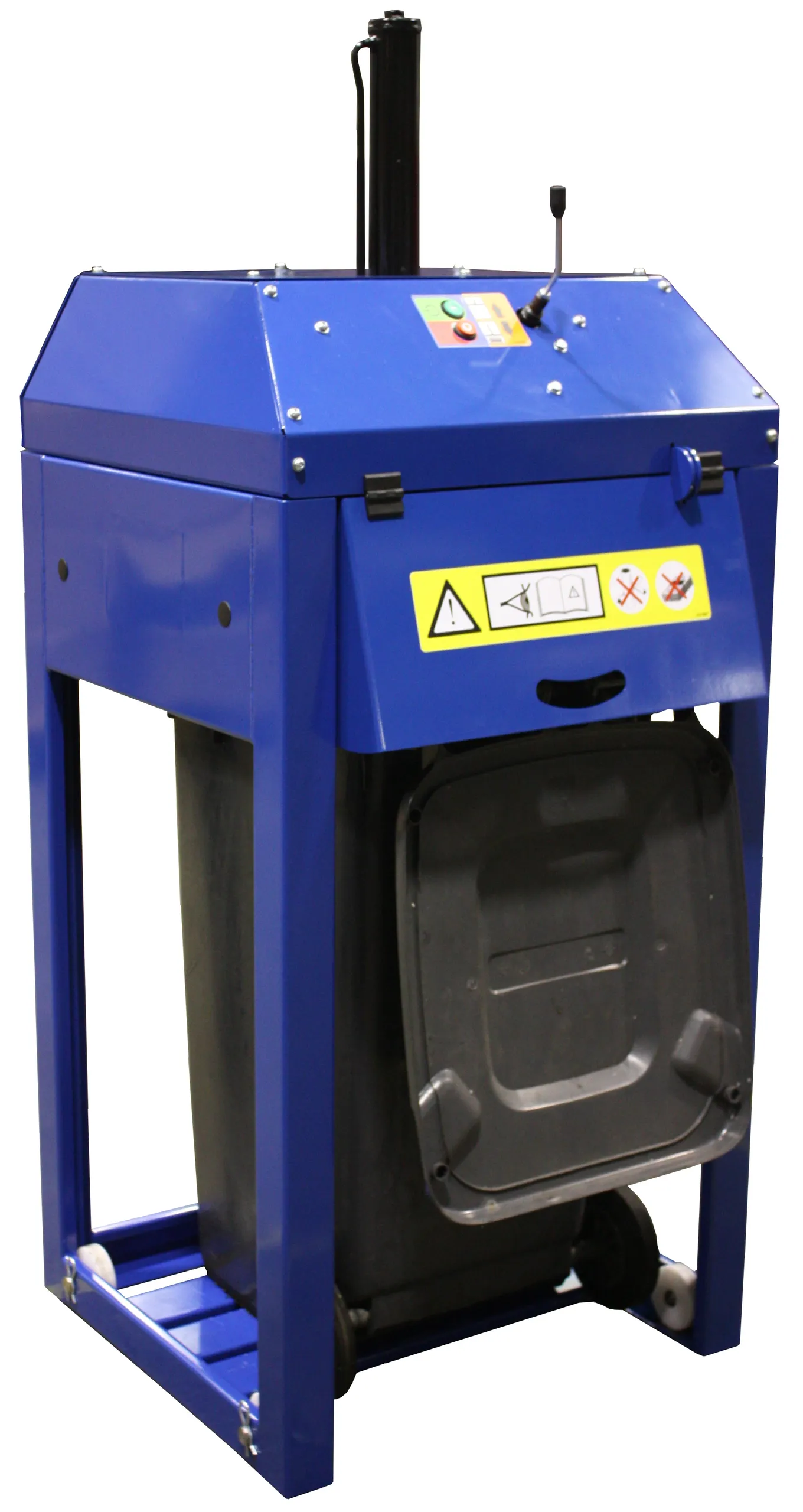
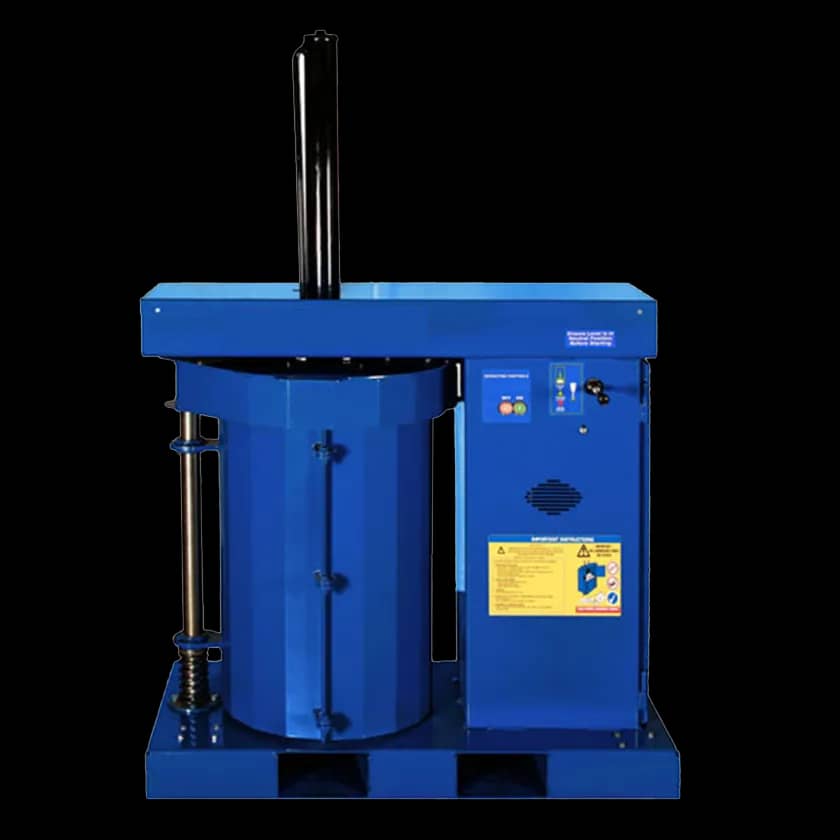
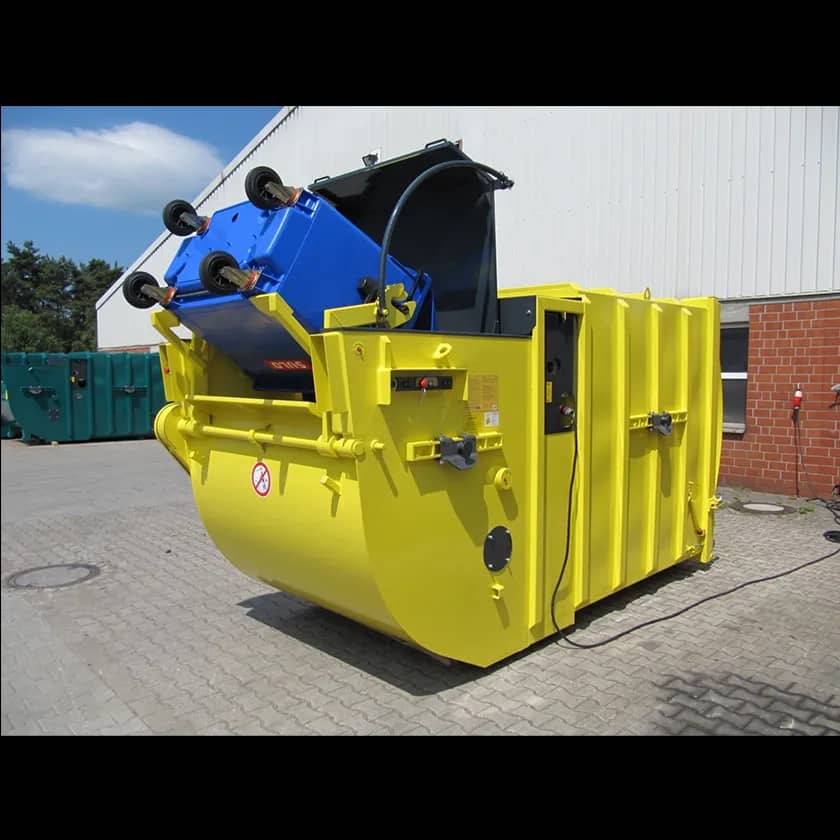
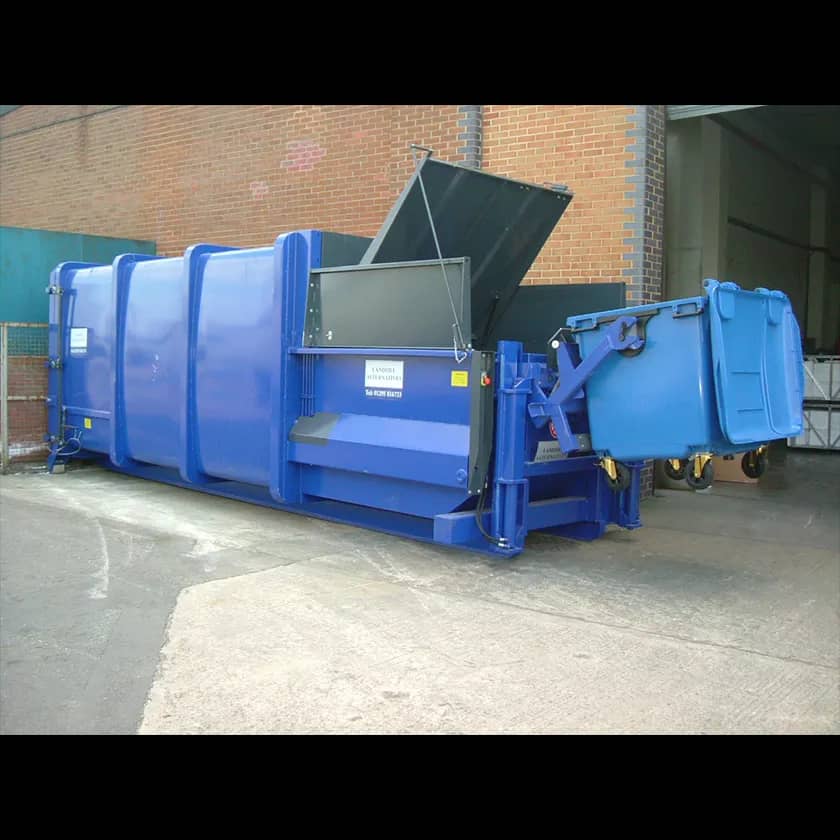
- In-bin compactors compact waste directly into wheelie bins
- In-bag compactors compress waste into heavy-duty bags
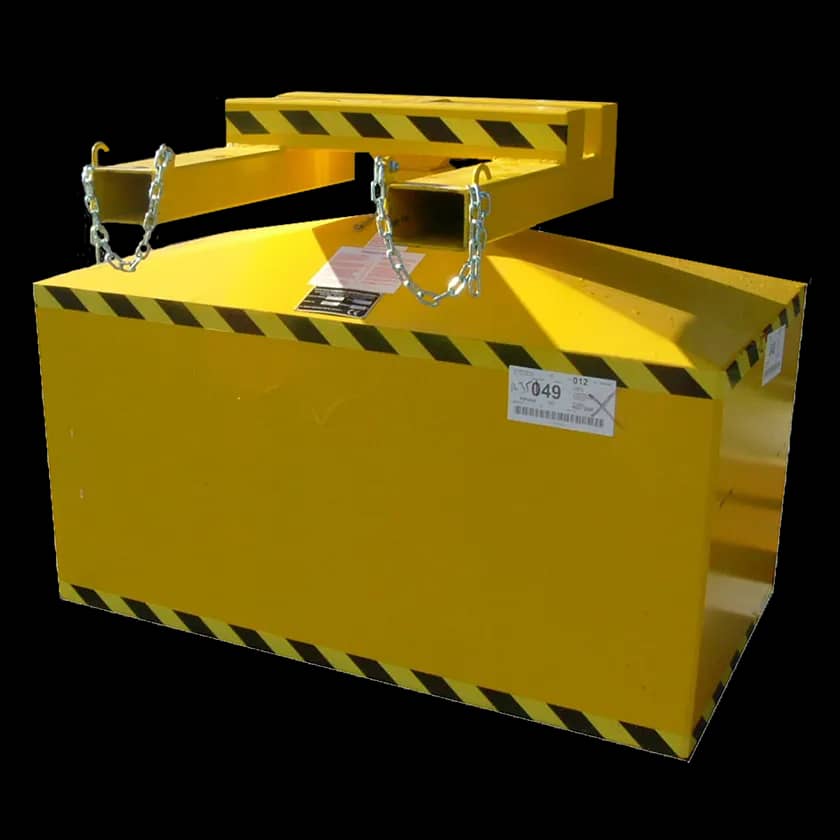
- Block compactors increase skip capacity using weight rather than powered hydraulics
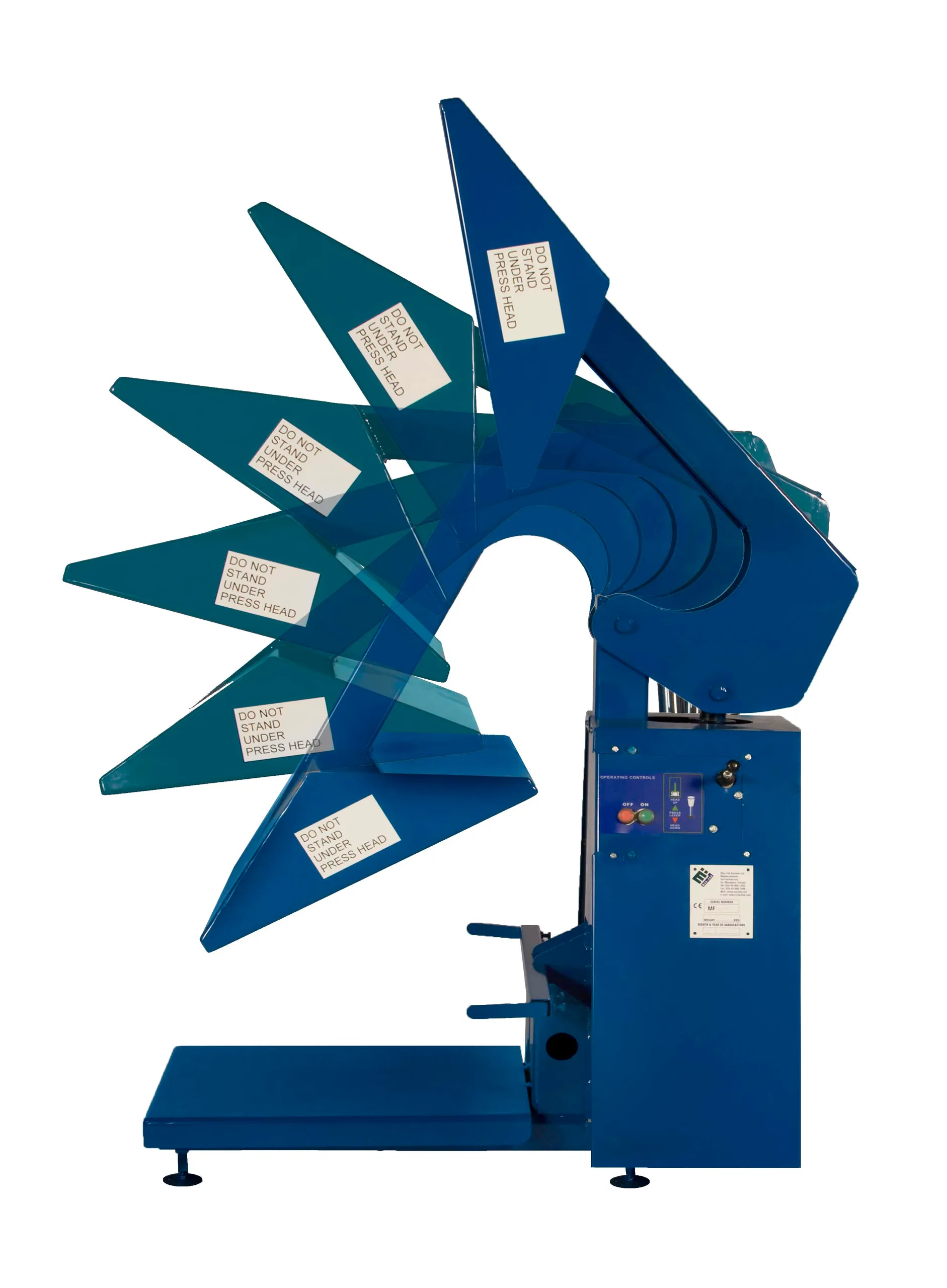
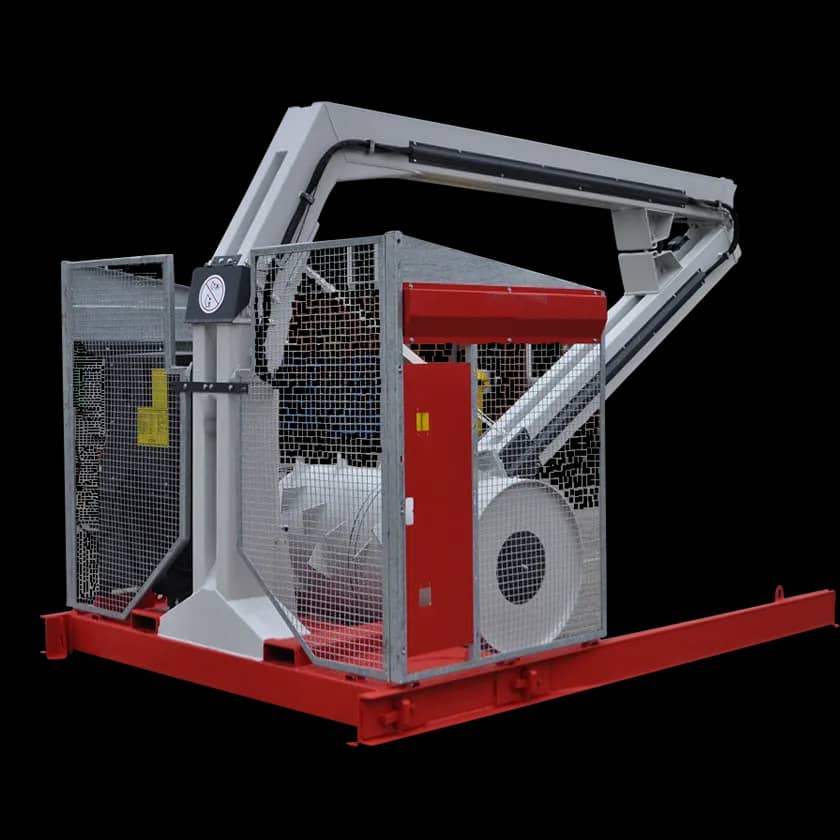
- Jumbo roll packers compact bulky wood or awkward waste streams into hook-lift skips
Each type suits different waste volumes, layouts and collection arrangements. The right option depends on how waste builds up day to day rather than headline volumes alone.
How Waste Compactors Are Typically Used
Waste compactors are primarily used for general and residual waste, including food waste, mixed packaging and other non-recyclable materials.
Compactors help to:
- Slow how quickly waste areas fill
- Reduce the number of collections required
- Improve housekeeping and site safety
- Limit odour, pest and spillage issues
On most sites, a compactor is used for general waste, with balers handling recyclable materials such as cardboard and plastic separately.
Common Problems Waste Compactor Hire Solves
Waste compactor hire is often introduced when:
- Bins or skips overflow before collection
- Disposal costs continue to rise
- Too many collections are needed each week
- Loose waste is creating hygiene or safety risks
- Space won’t allow additional bins or skips
Hiring allows sites to regain control over waste handling without changing how waste is produced or committing to long-term ownership.
All Waste Compactors to Rent
Compactor Hire & Rental FAQs
Hire Waste Compactors
We hire waste compactors to businesses across England, Scotland and Wales, with support available for delivery, installation and servicing where needed.
Some sites hire a compactor on its own, while others run one alongside balers or other equipment to deal with different waste streams on the same site.
If you’re not sure whether hire is the right route, we’re happy to talk it through based on how waste is produced and how collections actually work on your site.

Friendly Customer Support
Should anything go wrong, our friendly support team is always on hand.

No Large Investment
Hiring a Compactor reduces the large upfront cost you'd pay if you were to buy outright.

Save Space in Bins & Skips
Ensure waste is fully compacted, reducing disposal costs.

Clear Terms & No Hidden Costs
We offer straight forward leasing, with no complex negotiations, terms or hidden fees.
Affordable Servicing Plans
We have a qualified and reliable servicing team to keep your machine in working order.
Reduce The Frequency of Collections
Fully compacted waste takes up less room. Which means fewer costly collections.