

Glass Crushers
Glass crushers are used on commercial sites where glass bottles need to be broken down at source to reduce volume and improve storage. They’re typically installed where bottles build up during normal operations and loose storage quickly becomes difficult to manage. Crushing bottles on site reduces how much space glass takes up in bins, helping collections last longer and keeping waste areas under control. Glass crushers are designed for commercial use, most commonly in hospitality, leisure and food service environments. Glass crushers are most often specified by pubs, bars, hotels, restaurants and venues where bottles are generated steadily throughout service and need to be handled safely and efficiently.
Arrange a Callback with an Expert
Talk to our team about how a glass crusher can streamline your waste handling, reduce disposal costs, and enhance on-site efficiency.

How Glass Crushers Are Used
Glass crushers break bottles into smaller fragments called cullet, allowing significantly more glass to be stored in the same container before removal - often saving up to 80% of space.
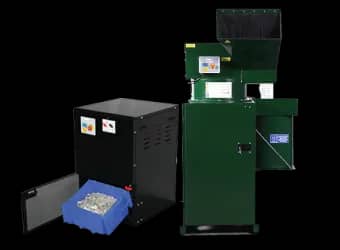
They’re most often installed behind bars, in cellar areas, kitchens or waste rooms where bottles are generated throughout the day. Under-counter glass crushers are typically specified directly beneath bar counters and are primarily intended for standard beer bottles. In-bin glass crushers are used where a wider range of bottles is handled and glass is collected in smaller bins around site before being taken to the crusher.
Once crushed, glass can be stored safely until collection through existing commercial glass recycling arrangements, subject to contractor requirements.
Types of Glass Commonly Handled
Glass crushers in this category are intended for glass bottles, including:
- Beer bottles
- Wine bottles
- Spirit bottles
- Soft drink bottles
- Clear, green and brown glass
They’re not designed for:
- Sheet or flat glass
- Pyrex or reinforced glass
- Ceramics, crockery or stoneware
Bottles should be empty before crushing.
Under-Counter vs In-Bin Glass Crushers
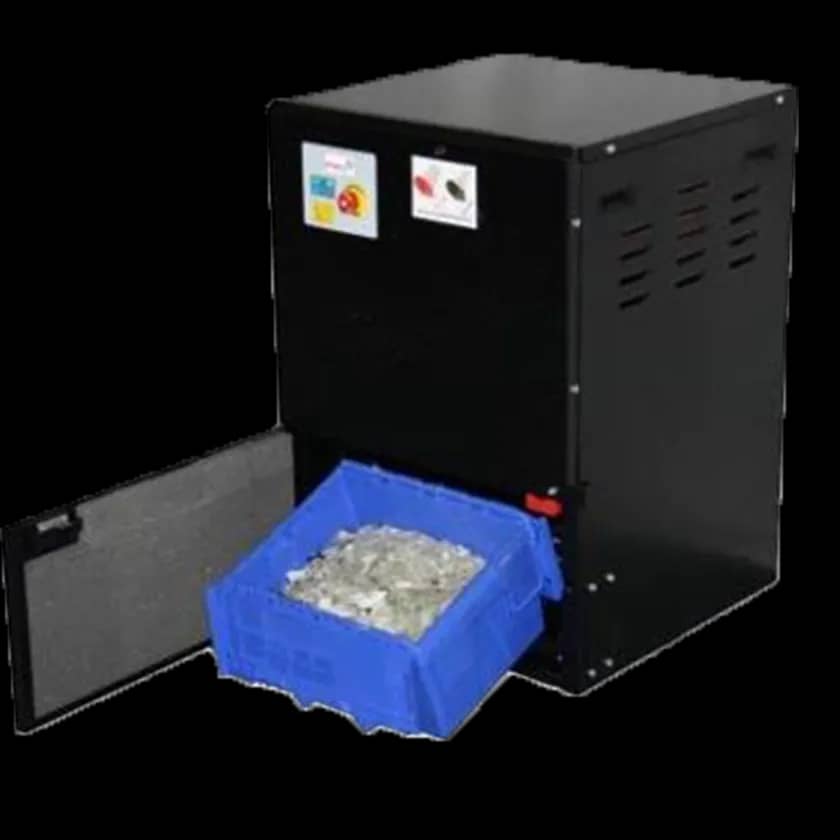
Under-counter glass crushers are compact machines designed to sit beneath bar counters. They’re mainly used in pubs, bars, clubs and hospitality venues where beer bottles make up the majority of glass waste and space behind the bar is limited.
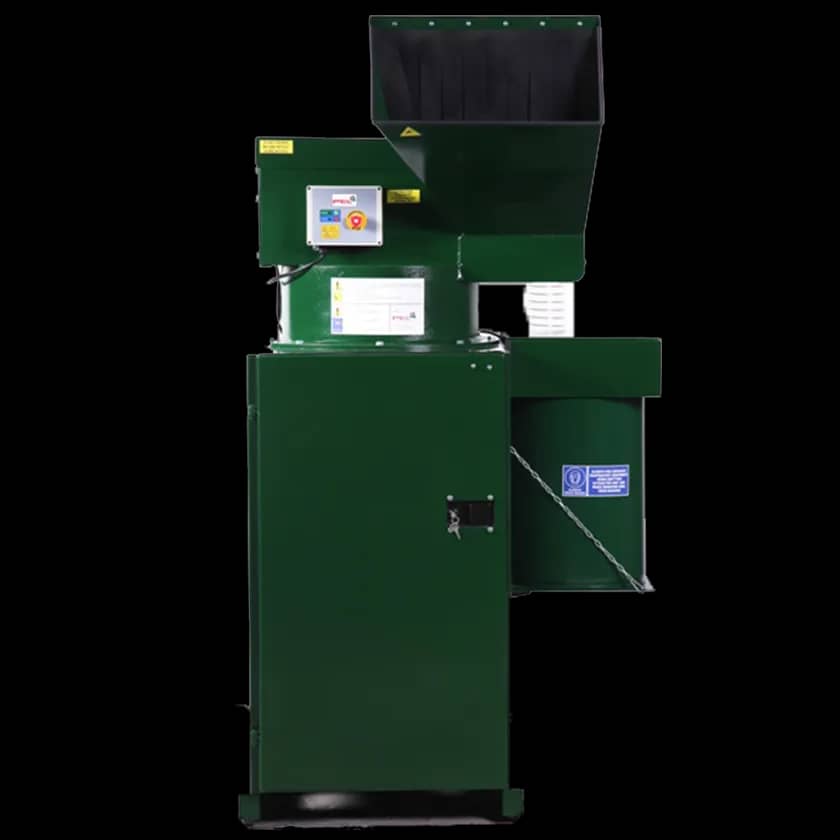
In-bin glass crushers are larger systems that crush bottles directly into a wheelie bin or container. These are typically used where mixed bottle types are handled or where higher volumes of glass are produced across kitchens, cellars or service areas.
Choosing between the two usually comes down to bottle type, space, daily volume and where glass is generated on site.
Safety and Housekeeping Benefits
Crushing bottles at the point of disposal helps:
- Reduce manual handling of loose glass
- Reduce the classic “clinking” sound when glass bins are collected
- Keep bottle storage areas tidier and easier to manage
This is particularly useful in busy hospitality environments where glass builds up quickly during service.
Choosing the Right Glass Crusher
The right glass crusher depends on:
- Whether bottles are mainly beer bottles or mixed glass
- The volume of glass produced
- Available space under counters or in waste areas
- How crushed glass will be stored and collected
Under-counter units are typically chosen for bar areas handling beer bottles, while in-bin glass crushers suit back-of-house areas dealing with a wider range of bottles.
Glass Crushers Supplied Across the UK
We supply glass crushers to sites across the UK and arrange delivery to suit access and layout.
Glass crushers are often used alongside other waste handling equipment, such as balers for cardboard and plastic or waste compactors for general waste, allowing different waste streams to be managed separately.
If you’re dealing with glass bottles on site and want to confirm whether an under-counter or in-bin glass crusher is the better fit, we can talk it through based on how bottles are handled day to day.
Arrange Free On Site Audit
Get a zero obligation, onsite waste audit to identify potential savings, optimise efficiency and cut costs.