
Static Compactors
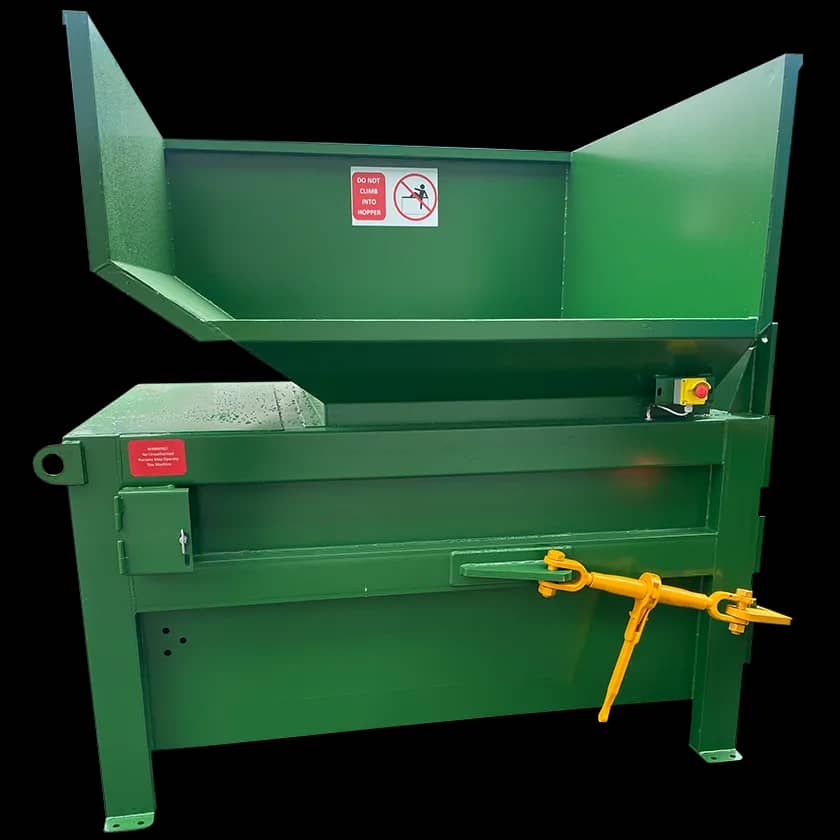
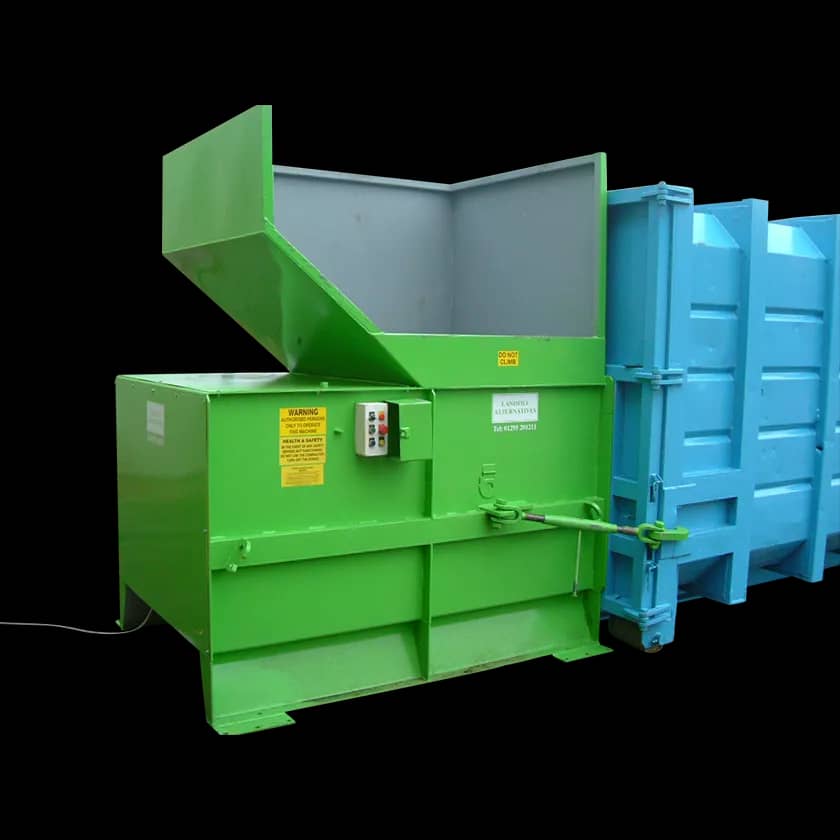
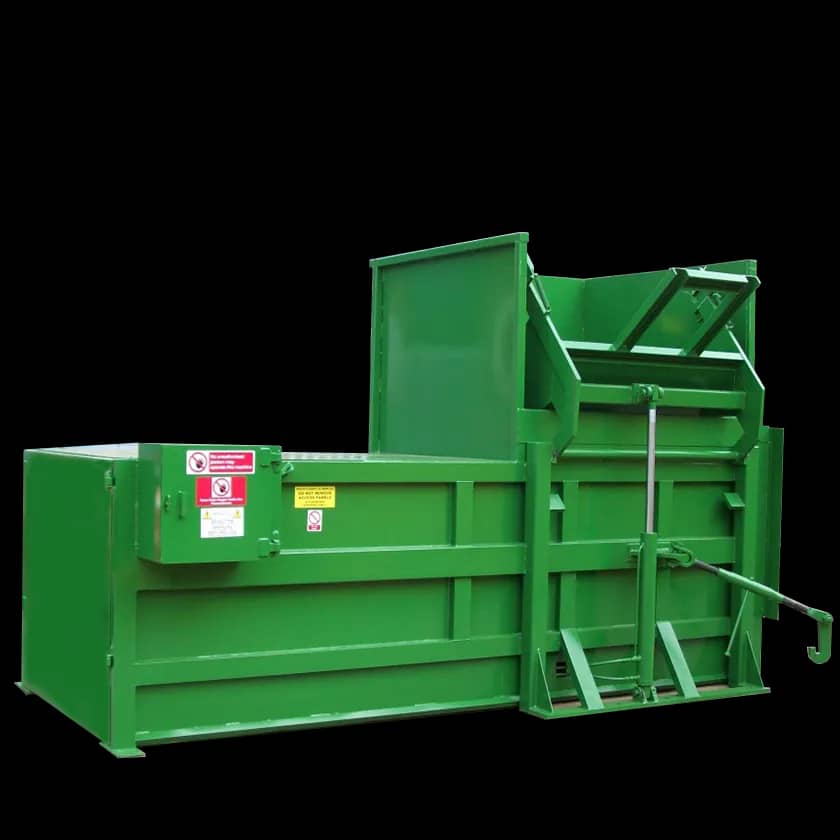
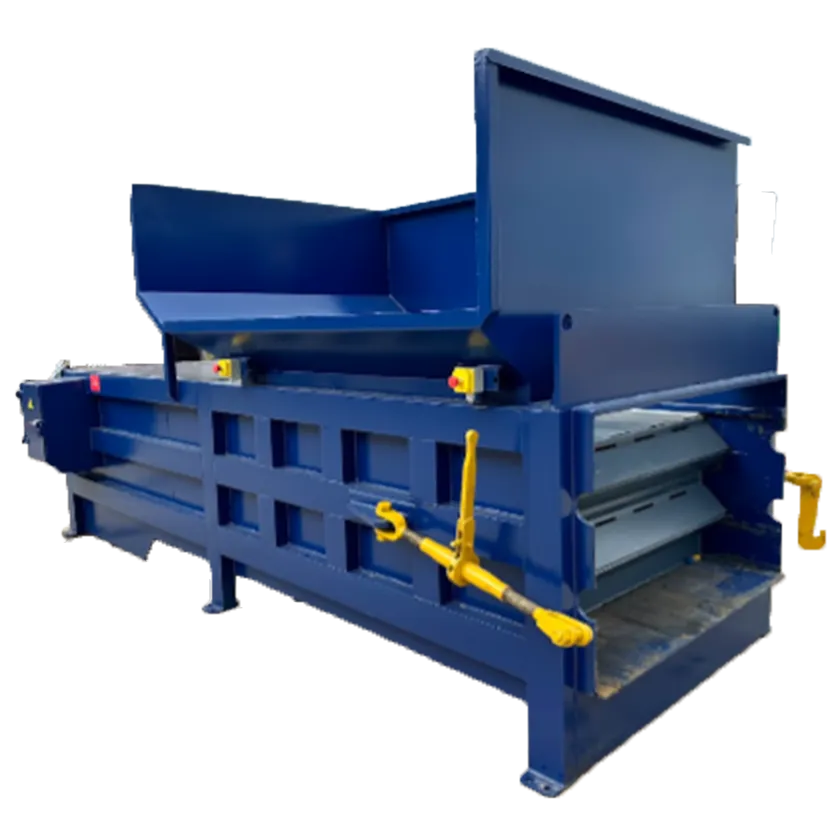
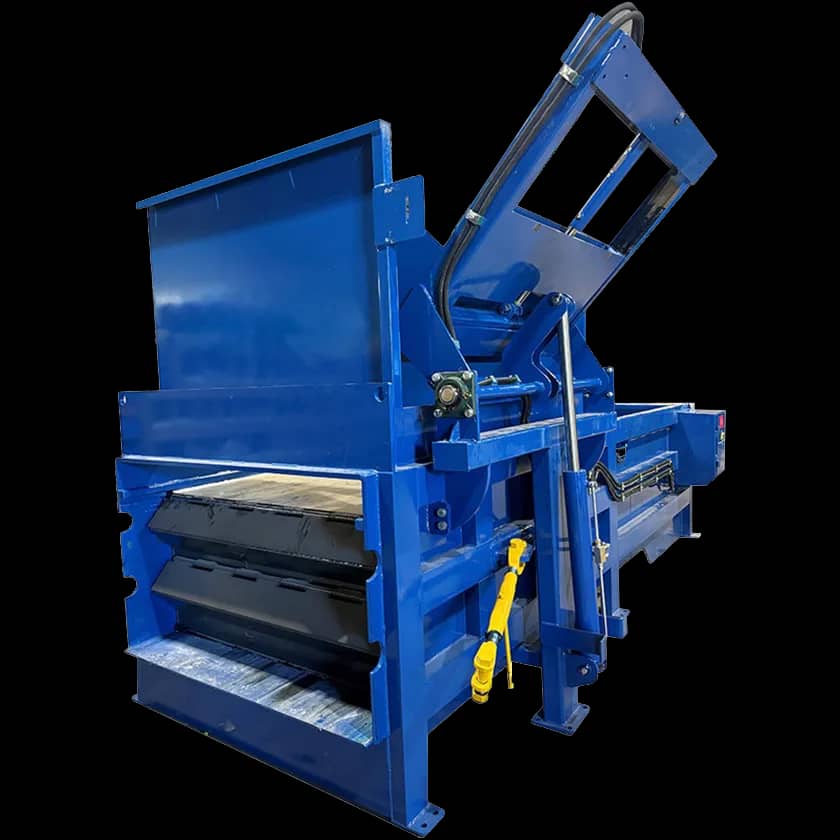
Static compactors are used where general or residual waste is produced in volume and needs to be managed from a single fixed location. They’re typically installed on sites with predictable waste output, where loose bins or skips become impractical and collection frequency needs to be controlled. The compactor remains in place and pushes waste into a connected RoRo skip for removal. By compacting waste directly into the container, sites can slow how quickly waste areas fill and reduce the number of collections required. At Landfill Alternatives, we supply static compactors new or refurbished, available to purchase or lease, with different hopper layouts, compaction forces and container options to suit how waste is produced and collected on site.
Get Expert Advice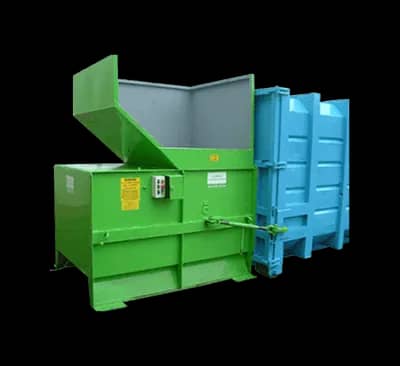
Arrange a Callback with an Expert
Arrange a call with our team to discuss whether a static waste compactor is right for your site and how it could help reduce skip collections.

How Static Compactors Are Used Day to Day
A static compactor remains fixed in position and uses hydraulic pressure to compact waste into a RoRo skip connected to it. Waste is fed into the compactor and compacted directly into the skip. Over time, rather than filling loose bins around the site, the skip fills up and is exchanged for an empty one once it reaches capacity.
Because the compactor itself doesn’t move, static systems work best where there’s a designated waste area and an agreed waste contract in place. On many sites, collections are arranged on an ad hoc basis, with the swap triggered once the compactor’s ¾ full indicator is activated.
Where Static Compactors Make Sense
Static compactors are normally chosen when standard bins or skips can’t cope with the volume of waste being produced. They’re well suited to general or residual waste that can’t be recycled on site and needs to be kept contained.
Static compactors are often chosen where waste needs to stay contained, helping reduce loose waste around the waste area - particularly on busy yards or shared service areas.
A lot of sites use static compactors alongside waste balers, separating general waste from recyclable materials. Where fixing to hardstanding isn't suitable or where fully sealed waste storage is required, a portable compactor is often the more suitable option. On sites dealing with smaller waste streams, equipment such as in bin compactors, block compactors or bag presses may be best used.
Typical Installations
On most sites, static compactors are installed where waste builds up as part of everyday activity rather than being generated in short bursts.
You’ll typically find static compactors at warehouse and logistics sites, manufacturing facilities, distribution centres, large retail operations, food production and processing plants, printing and packaging sites, and industrial service environments.
They work particularly well where waste is produced steadily through the day and needs to be dealt with as it arises, rather than being left to pile up and cleared during periodic clean-ups.
Choosing the Right Setup
Static compactors aren’t all installed the same way. What works well on one site can be completely wrong on another, even if the waste looks similar on paper.
The right setup usually comes down to practical details - what the waste actually is, how quickly it builds up, how it’s loaded, and how easy it is for collection vehicles to access the unit. On many sites, collections aren’t booked on a fixed schedule but arranged ad hoc, with the RoRo skip swapped when it’s approaching capacity using the compactor’s ¾ full indicator as the trigger.
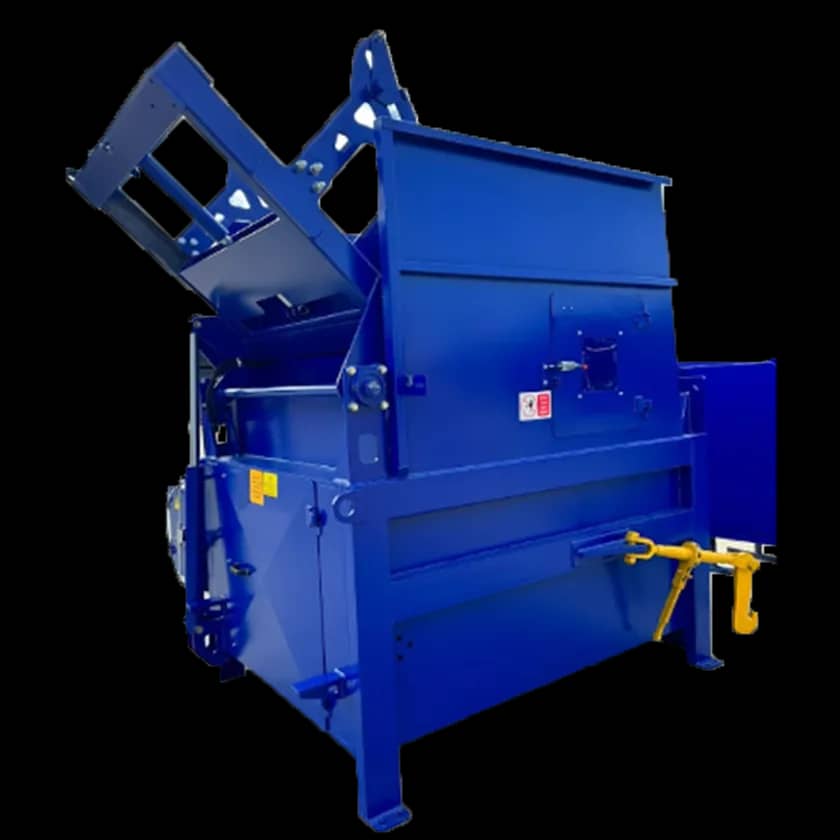
Power availability also plays a role, along with where the compactor is positioned, where waste is generated, and whether the site needs a hopper, bin lift, enclosed system or a more basic configuration.
Static compactors can be supplied from stock, refurbished inventory or built to order, depending on lead time, budget and site requirements.
Hire or Purchase?
Some sites choose to hire a static compactor where capital spend needs to be controlled or where waste volumes are still being reviewed. Others prefer to purchase once waste output is well established and the compactor will form part of a long-term setup.
Once we understand how waste is handled on site, we can advise on which option is likely to make the most sense.
Can static compactors handle mixed waste?
Yes. Static compactors are commonly used for general and residual waste streams where recycling isn’t possible.
Are static compactors available on hire?
Yes. We supply static compactors on both a hire and purchase basis, depending on site requirements.
Static Compactors Supplied Across the UK
We supply static compactors to businesses throughout the UK and regularly work with sites using portable compactors, waste balers and bin tippers as part of wider waste handling systems.
Static compactors are often supplied alongside servicing support and agreed collection arrangements to keep waste handling predictable and manageable.
If you’re reviewing how general waste is dealt with on site and want to understand whether a static compactor would be a sensible option, we can talk it through based on how waste is actually produced and handled day to day.
Arrange a Free On Site Audit
Get a zero obligation, onsite waste audit to identify potential savings, optimise efficiency and cut costs.